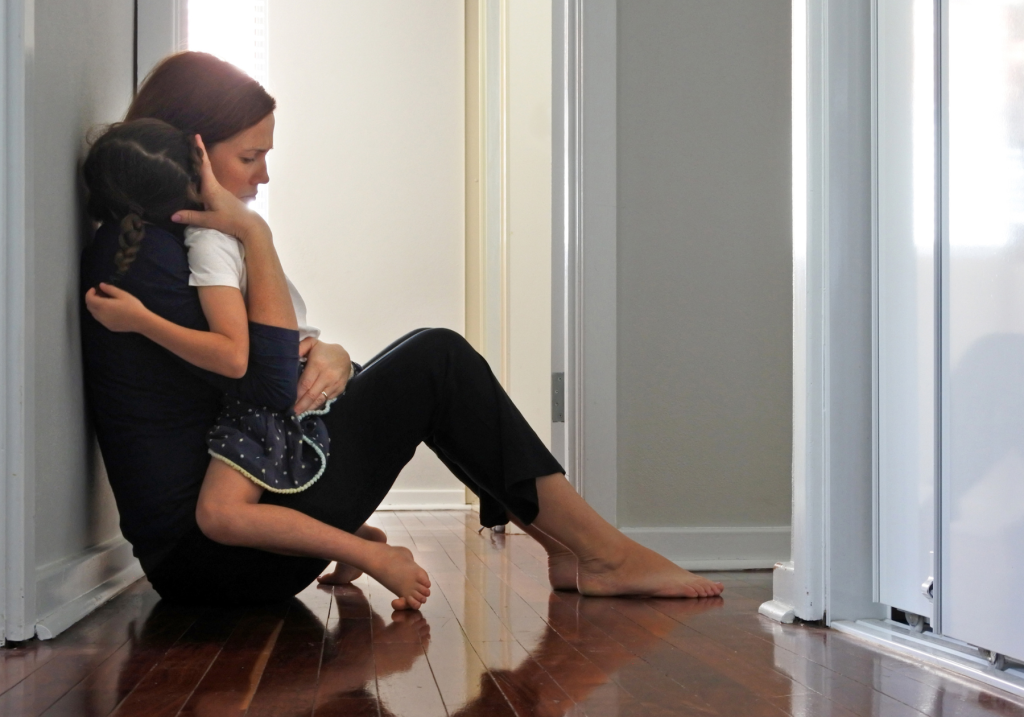
An Ottawa man believed to have recently killed his two children before taking his own life left a note insisting that he, not his ex-wife, was a victim of abuse and of an unfair judicial system. Tragically, that one sentence encompasses two vicious and all-too-common realities.
First, men who abuse their wives or partners often exert control as part of that abuse. When this kind of man feels he is losing that control — the woman leaves him or threatens to do so — he finds any way he can to attack her. That might involve harming a pet or threatening her family members. At its most appalling, it involves hurting or even killing children as a way to inflict whatever harm he can on their mother.
Research by the Canadian Domestic Homicide Prevention Initiative shows that living in an abusive situation puts a child at a much higher risk of death. For instance, between 2002 and 2014, in Ontario alone, there were 453 deaths as a result of murder or murder/suicide. Ten per cent of those who died were children, 80 per cent of the time at the hands of their fathers.
These children might have been trying to prevent the violence, or been killed either as a form of revenge or when a parent decided to kill the whole family. “In these confirmed cases, it would appear that the perpetrator intended to harm his (ex)partner as a way to punish or exert final control,” the organization notes.
Second, men who commit violence against their partners are extremely likely to blame others and refuse to take responsibility for their actions. Rather than accepting their inability to handle emotion without causing violence or acknowledging the harm they have caused their partner, they maintain that what they’ve done is in fact someone else’s — or everyone else’s — fault.
In fact, this pattern of externalizing responsibility is a major indicator of the potential for abuse. A man who blames others, especially his partner, for his own anger or shortcomings is much more likely to lash out at her.
That tendency is also central to online incel culture, where men, especially younger men, insist that their inability to attract or keep a romantic partner is the fault of women and society rather than anything about them or that they have done. Here, too, there can be deadly consequences when a radicalized man turns his online rage into a murderous real-world attack of the kind we have seen here in Canada.
If you are in a situation where your partner is threatening your pets or children, or where he refuses to accept responsibility for abusive behaviour or accuses you of causing it, please reach out to Women’s Resources — we’re here to help. Contact our 24/7 crisis line at 1-800-565-5350 or use the chatline on our website https://womensresources.ca/
By Nancy Payne